
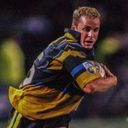
What a season it has been for the Canes. After years of coming close and falling short when it mattered most, this felt like a team that had finally figured out what it takes to win playoff rugby. From the start of the year there was a different feel about this group - more belief, more toughness and a real hunger to finish the job, which proved to be the case.
The biggest difference this season was the balance of the team and the wealth of Super experience throughout the squad. The Hurricanes have always been known for their attacking flair, but this year it felt like the foundations were built on defence, physicality and ruthless edge to everything they did.
The forward pack deserves huge credit. For years people have questioned whether the Canes could match the bigger packs when finals rugby arrived, but this group proved they could and then some. The set piece was strong, the breakdown work was relentless and the effort around the field was outstanding.
The power of Aumua, Tosi, Numia and Dearns in that tight five, mixed with the X-factor of the Canes loosies, made them very difficult to contain, laying the perfect platform for the backs to express themselves.
Speaking of backs, the combination of Cam Roigard and Ruben Love gave the Hurricanes a dangerous attacking platform. Roigard’s speed and ability to challenge around the ruck kept defences guessing, while Love brought that natural attacking instinct, his vision, passing and ability to find gaps created opportunities all over the field.
Outside them, the midfield combination was a real strength. Jordie Barrett brought the physical presence and control you expect from a world-class player, but what impressed me most was how much he brought others into the game. He wasn’t just a battering ram, he was a distributor, a defensive organiser and a leader. Billy Proctor also continued to grow into his role, offering that balance of work-rate and skill.
Out wide, the Hurricanes looked dangerous every time they got quick ball. Josh Moorby was outstanding with his finishing and work rate, while the likes of Fehi Fineanganofo and Kini Naholo gave them that strike power that can change a game in a few seconds. They had the ability to score from anywhere, but importantly they weren’t chasing miracle plays, the tries were coming from good shape and players trusting the system.
The biggest improvement in their back play compared to previous seasons was their composure, no one showed this more than the reliable Callum Harkin. The Hurricanes have always had attacking weapons, but at times they could be guilty of overplaying things. This year they looked more mature. They built pressure, used their forwards to create opportunities and then unleashed a backline that was confident enough to take them.
Finally, the coaching staff. Laidlaw and his men had a clear picture of how they wanted the Canes to play in November and went about mastering that plan. Bringing Jason Holland back into the fold after leaving the All Blacks proved to be a masterstroke. His experience alongside the young and talented coaching lineup of Macintosh, Evans and Jane was a move of a coach that had the teams interests before his own. The way these coaches got the best out of the players is something I hope the Canes can replicate moving forward.
All in all I couldn’t be happier with the season. It wasn’t quite perfect but it was pretty bloody close and the brand of rugby the Canes showcased has me excited for what’s to come in the future.
Season awards:
Best forward: Peter Lakai
Best back: Cam Roigard
Finals MVP: Ruben Love
Best off-season signing: Warner Dearns
Most improved: Josh Moorby
End of season departures:
- Devan Flanders
- Isaia Walker-Leawere
- Warner Dearns
- Pouri Rakete-Stones
- Fehi Fineanganofo
- Tevita Mafileo
- Bailyn Sullivan
- Riley Higgins
- Ere Enari