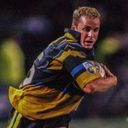
Christian Cullen’s story in New Zealand rugby doesn’t begin with fanfare or fireworks—it begins quietly, in 1994, with Horowhenua-Kapiti. A wiry kid with speed that looked almost supernatural, he was the kind of player who didn’t just run past defenders; he seemed to glide through them, like water around stones. By 1996, that blur of movement had found its stage. The first-ever Super 12 game—Hurricanes versus Blues—opened a new chapter in professional rugby, and Cullen, just 20, was right there at the dawn of it all. That season he scored seven tries in nine matches. People were starting to whisper his name with a kind of disbelief, as if they’d stumbled upon a secret the rest of the world hadn’t yet noticed.
Then came Hong Kong. The 1996 World Sevens tournament was supposed to be a showcase of flair; instead, it became the Christian Cullen show. Eighteen tries in one competition—seven in a single game. The crowd roared every time he touched the ball, sensing that something electric was about to happen. That same year, the All Black selectors couldn’t ignore him any longer. On debut against Samoa, Cullen scored a hat-trick. The next Test, against Scotland, he added four more. Seven tries in two matches—numbers that didn’t just impress, they stunned. But rugby has a cruel balance to brilliance, and on the tour to South Africa later that year, his knee gave way. Cartilage damage. For a moment, everything he’d built teetered.
When he returned in 1997, he did it with quiet vengeance. Eleven tries in ten games for the Hurricanes, and twelve in twelve Tests for the All Blacks. Every step looked like it had meaning again. Yet even a player as mesmerizing as Cullen couldn’t lift a struggling side forever. In 1998, New Zealand endured five straight defeats—a dark stretch for the team—but Cullen still crossed the line four times in seven Tests. Then came redemption of a different kind. At the Commonwealth Games in Kuala Lumpur, wearing the black jersey for rugby sevens, Cullen scored nine tries, kicked 23 conversions, and walked away with a gold medal. You could almost feel the pride pulsing through New Zealand that day.
But rugby, like life, doesn’t freeze in its golden moments. The 1999 World Cup should’ve been Cullen’s stage. Instead, it was a frustrating campaign—six matches, five of them out of position at centre. The tournament ended in disappointment, both for the All Blacks and for a player who felt boxed in by tactical choices that dulled his brilliance. By 2000, though, he was flying again—ten tries in eleven Super 12 games, seven in four Tri Nations Tests, including three consecutive doubles. He was unstoppable, the kind of player who could make a stadium inhale all at once when the ball reached his hands.
Then came the knee again. In 2001, it betrayed him. Surgery, long days of rehab, and the lonely grind of recovery followed. Cullen stepped away from the All Blacks’ end-of-year tour to focus on healing, only to hear at a press conference that he had been “dropped” by new coach John Mitchell. Their relationship never recovered. The tension lingered, shaping the twilight of Cullen’s international career. In 2002 he was in and out of the squad, a star dimmed but not gone. Four tries in five Tests reminded everyone just how dangerous he still was.
By 2003, he was chasing something simpler—joy. Eight tries in twelve games for the Hurricanes took his Super Rugby tally to a then-record 56. For a brief, strange moment, he was even named to the Māori rugby team—despite having, as his father admitted, barely a trace of Māori ancestry. It caused a stir, but Cullen stayed composed, as always. That same year, he missed out on the World Cup squad. Wellington fans gave him one last ovation during the NPC final, standing to their feet as he walked off. They knew, and he knew, that this was the end of something special.
Christian Cullen’s career was never just about numbers—it was about feeling. The quicksilver runs, the sense of anticipation every time he stepped onto the field, the way he made rugby look like art. Injuries came, critics circled, selections stung—but when you close your eyes and think of him, you don’t remember the setbacks. You remember the blur of motion, the sudden gasp of the crowd, and the unmistakable magic of the “Paekākāriki Express.” #ChristianCullen #AllBlacks #RugbyLegend #PaekakarikiExpress